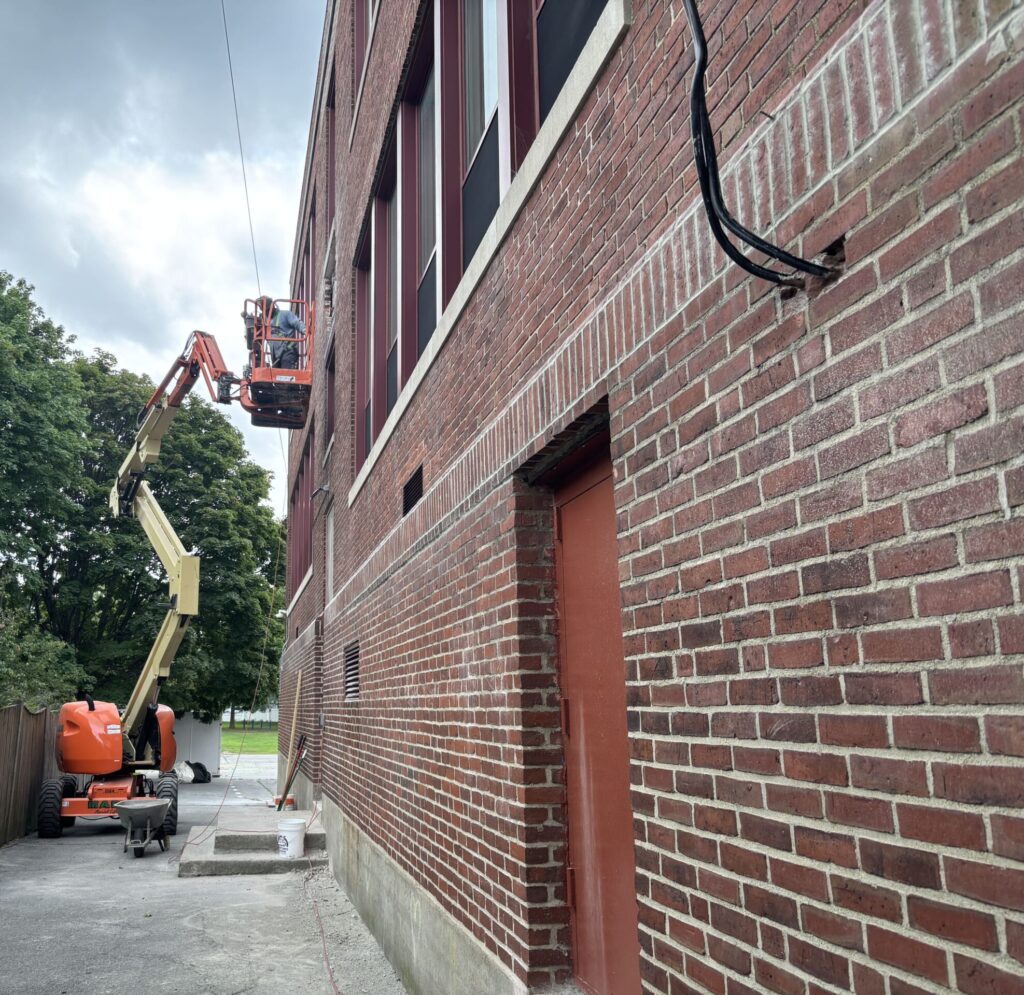
Every year, as the leaves start to turn, we have some version of the same conversation with clients: “We’d like to get that work done next year.” It’s a good instinct. The catch is that “next year” usually means “next spring,” and in the building envelope world, spring projects are won or lost in the fall.
Exterior restoration follows the weather. Masonry, sealants, roofing adhesives, and concrete repair materials all have minimum installation temperatures, so most exterior work in New York and Boston is built between spring and late fall. Working backward from a spring start, the calendar fills up quickly.
For most projects, investigation and design together take about 10 to 12 weeks. Bidding, contractor selection, contract negotiation, and permitting follow. Meanwhile, the best contractors begin filling their spring schedules in October and November. By December, a quality contractor typically has 20 to 50 percent of the following year’s work already booked. An owner who starts design in February isn’t just starting late; they’re shopping for a contractor after many of the best crews have been committed elsewhere.
Fall is also budget season. Budget preparation for many properties begins in late summer, and management agreements commonly require next year’s budget to be submitted to ownership by early December.
Many commercial property managers are bonused on performance against budget. Plans vary, but industry compensation reports show that bonuses at the property manager level are typically tied to metrics such as occupancy and net operating income, and some plans weight “expenses to budget” heavily. Capital projects are often approved separately from the operating budget, but either way, a manager’s bonus and credibility both depend on the numbers they submit holding up.
Here’s the problem: a budget number without a design is an educated guess. We’ve seen clients budget a restoration project based on what similar work cost them several years ago. That history didn’t reflect the material cost increases of the past three to five years, and when bids came in, the project was twice the budget. The work was pushed to the following fiscal year, and the building lived with its deterioration for another season.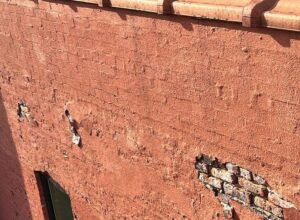
The cost environment hasn’t eased. Construction input prices rose more than 38 percent from the start of the pandemic through mid-2023, and inputs to nonresidential construction climbed another 7.1 percent between July 2025 and July 2026, with tariffed metals such as aluminum rising far faster. Construction wages are also outpacing the broader private sector.
When design is completed in the fall, contractors can price actual quantities, details, and materials. That gives the property manager a real budget estimate to submit rather than a figure pulled from an old invoice.
Whether the project is a roof replacement, façade restoration, leak repair, or parking garage rehabilitation, the same hurdles come up. None of them are unusual, but each one takes time.
- Investigation access and weather. Good design starts with good information: probes, test openings, drops, and sometimes laboratory testing. Much of this is easier, and some of it only practical, before winter sets in.
- Decisions and approvals. Boards, ownership groups, and asset managers all need time to review scope and approve next steps. One client of ours had a completed design in hand in January. Decisions about bidding stalled, the project didn’t go out to bid until March, and the contract still hasn’t been awarded. The construction season was lost, not because of the design, but because of the decisions that followed it.
- Bidding, contract negotiation, and insurance. Once bids arrive, there is still work to do: leveling bids, negotiating contract terms, and verifying each contractor’s insurance coverage, limits, and additional insured requirements. This routinely takes several weeks.
- Access agreements. Many projects need access to neighboring properties for scaffolding, rigging, or roof protection. In New York, an owner can petition the court for a license under RPAPL 881 if a neighbor refuses, and a 2025 amendment treats no response within 60 days of a certified-mail request as a refusal. Massachusetts offers a more limited statutory path, so access there is usually negotiated. In both markets, neighbors and their attorneys want to see drawings, protection plans, and schedules before they sign, which means the design has to exist first.
- Permits and reviews. In New York City, most work requires DOB filings, and projects may also need DOT sidewalk permits or Landmarks Preservation Commission review. In Boston, projects go through the Inspectional Services Department, and buildings in historic districts may need approval from the Boston Landmarks Commission or a district commission such as the Back Bay or Beacon Hill Architectural Commission. As we noted in our August article on project timelines, Landmarks review is the biggest schedule wildcard in either city and can add months.
- Material lead times. Specialty items such as custom masonry units, metal panels, and certain roofing systems can carry long lead times, and ordering can’t begin until the design and contract are settled.
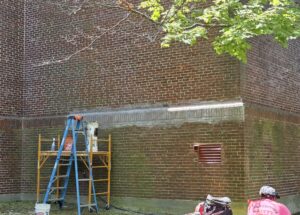 For some buildings, the timeline isn’t entirely voluntary. In New York, the FISP Sub-cycle 10A filing window closes on February 21, 2027, and unrepaired SWARMP conditions from Sub-cycle 9A will default to Unsafe at that point. In Boston, the Façade Ordinance requires inspection of occupied buildings over 70 feet every five years, and SWARMP repairs must be completed according to the submitted program. Fall design keeps compliance-driven work from becoming emergency work.
To be fair, not everything requires a full fall design cycle. An active leak should be addressed now, and some small scopes can be investigated, priced, and repaired quickly. But for anything larger, or anything an owner wants done right the first time, the fall runway pays for itself.
Starting design in the fall lets investigation happen in reasonable weather, produces a real number for the budget, gives decision-makers time to act, and puts the project in front of contractors while their calendars are still open. If a project is on your list for next year, now is a great time to start the conversation.
Kevin M. Duffy
Principal
Duffy Engineering